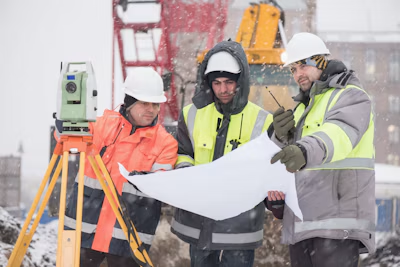

A construction site in winter is a demanding place to work. Mornings start in darkness and frost. Workers move between scaffolding, open ground, enclosed buildings and site cabins. They lift heavy materials, operate tools and machinery, and then stand still while waiting for deliveries or inspections.
One heavy coat rarely suits all of these conditions. It may be perfect at seven in the morning but far too warm by ten, when a worker is carrying blocks up a ramp. It may be too bulky to climb a ladder safely. And if it is dark in color, it can make the worker harder to see.
That is why many construction crews rely on layering. A good layering system allows workers to add or remove warmth as conditions and activity levels change, while keeping visibility features on the outside. This article explains how layering works on construction sites, how different people experience it and how employers can support it.
Read Also: Understanding Internet Infrastructure
Understanding Layering on Construction Sites
The Basic Principle
Layering uses several thinner garments rather than one thick one. Each layer has a job: managing moisture, providing warmth or blocking wind and rain. Together, they create a flexible system.
Why It Suits Construction Work
Construction work involves frequent changes in effort and environment. Layering allows workers to adapt quickly, which improves comfort and reduces the risk of overheating or becoming chilled.
Visibility as the Final Layer
On sites with moving vehicles and machinery, visibility is critical. The outermost layer should provide the required fluorescent and reflective features, so they are never hidden beneath other clothing.
The Three Main Layers
Base Layer
The base layer sits against the skin. Its main job is to move sweat away from the body. Synthetic or wool base layers are often preferred over cotton, which holds moisture and can leave workers cold once they stop moving.
Mid Layer
The mid layer provides insulation. It traps warm air and can be added or removed as needed. Fleece is one of the most popular choices for construction crews because it is warm, light, breathable and dries quickly.
Outer Layer
The outer layer protects against wind, rain and snow, and on most sites provides visibility. It should fit comfortably over the mid layer without restricting movement.
The Role of Fleece in Construction Layering
Why Fleece Works Well
Fleece offers a strong balance of warmth and breathability. It does not absorb much water, dries quickly and remains comfortable during physical work. It also compresses well under outer shells.
Fleece as Part of a Uniform
Many construction companies provide fleece mid layers in company colors, often with an embroidered logo. This keeps crews warm and gives them a consistent appearance when they are inside buildings, site offices or client meetings without their outer shells. Contractors outfitting large teams frequently source wholesale Fleece Jackets so every worker has a matching warm layer that fits comfortably under their site outerwear.
Choosing the Right Weight
Lighter fleece suits cool days and high-exertion work. Heavier fleece suits very cold conditions or less active roles, such as site supervision or gate security.
The Role of the Visible Outer Layer
Making Workers Seen
Construction sites often have vehicles reversing, excavators turning and cranes lifting loads. Operators need to see workers clearly. A bright outer layer with reflective tape helps prevent accidents.
Weather Protection
The outer shell also keeps rain and wind away from the insulating layers beneath. Wet insulation loses much of its warmth, so protecting it matters.
Choosing Outer Shells
Many contractors choose High Visibility Jackets with water-resistant shells as the final layer of their system. Styles with roomy cuts, adjustable cuffs and ventilation zips work best over fleece mid layers, giving workers protection without overheating.
How Workers Experience Layering
Comfort Through Changing Conditions
Workers appreciate being able to remove a layer when they warm up and add it back during breaks. This flexibility makes long winter shifts more comfortable.
Movement and Safety
Thinner layers allow better movement than a single heavy coat. Workers can climb ladders, kneel and reach overhead more easily.
Avoiding Sweat Buildup
Layering helps workers avoid sweating heavily, which can lead to chills later in the day.
Practical Frustrations
Layering only works if workers have somewhere to store removed layers and if garments fit together properly. A fleece that is too bulky under an outer shell can make the system uncomfortable.
How Supervisors Experience Layering
Keeping Crews Visible
Supervisors must ensure workers keep their visible layer on at all times in hazardous areas. A clear rule that the bright layer always stays on the outside helps.
Monitoring Cold Stress
Supervisors watch for signs that workers are becoming too cold, such as shivering, slowed movement or clumsiness. Layering makes it easier for workers to respond.
Managing Breaks
Warm-up breaks in heated cabins allow workers to adjust layers, dry damp clothing and recover.
How Employers Experience Layering Programs
Providing the Right Mix
Employers must decide which layers to provide and which workers supply themselves. Many provide outer layers and mid layers, while workers supply base layers.
Budgeting
Layering systems involve more garments than a single coat, but they often last longer and suit a wider range of conditions.
Branding and Identity
Branded mid layers and outer layers create a professional appearance and help identify crews on shared sites.
Layering Through the Working Day
A typical winter day on site shows how layering works in practice.
Early Morning
Workers arrive in darkness and frost. They wear all three layers: a base layer, a warm mid layer and a visible outer shell, along with hats and gloves.
Mid-Morning Activity
As physical work begins, workers warm up. Many unzip their outer shells or remove the mid layer, keeping the visible shell on over the base layer while working in exposed areas.
Lunchtime Break
In the site cabin, workers remove damp layers and allow them to dry. They may swap a sweaty base layer for a dry one.
Afternoon Slowdown
Inspections, deliveries and waiting periods mean less movement. Workers add their mid layer back as temperatures drop and light fades.
End of Shift
In the late afternoon darkness, visibility becomes even more important. Workers ensure reflective features are clean, uncovered and facing outward.
This rhythm shows why a single heavy coat rarely suits construction work as well as a flexible layered system.
Important Elements to Consider
Compatibility
Ensure mid layers fit comfortably under outer shells, especially at the shoulders and arms.
Visibility Requirements
Check which visibility requirements apply to each role and choose outer layers accordingly.
Durability
Construction is hard on clothing. Choose fabrics that resist abrasion and tearing.
Fit Diversity
Offer a full size range, including tall sizes and fits designed for women.
Drying Facilities
Wet layers need somewhere to dry. Heated drying rooms or racks improve comfort and hygiene.
Practical Ways to Support Layering
Brief Workers on the System
Explain how each layer works and why the visible layer must stay on the outside.
Provide Spare Layers
Keep spare fleece and outer layers on site for workers whose garments become wet or damaged.
Plan for Extremes
On very cold days, provide extra items such as insulated vests, thermal hats and warm gloves.
Review Each Season
Ask workers for feedback at the end of winter and adjust garment choices for the following year.
Layering for Different Site Roles
Not everyone on a construction site works the same way. Groundworkers and laborers generate a lot of heat and often prefer lighter mid layers. Crane operators and plant drivers sit for long periods in cabs that may be cold, so they need warmer layers that are easy to remove when climbing out. Site managers and inspectors move between offices and outdoor areas and benefit from smart, branded layers that work in both settings. Tailoring layering advice to each role makes the system more effective.
Common Mistakes
Wearing Dark Layers on Top
Personal hoodies or coats worn over visibility garments hide reflective features.
Choosing Bulky Mid Layers
Mid layers that are too thick make outer shells tight and restrict movement.
Relying on Cotton
Cotton base layers hold sweat and can leave workers cold.
Ignoring Wet Gear
Damp layers lose warmth quickly. Workers need dry replacements.
Overlooking the Lower Body
Thermal leggings under work trousers and visible lower-body garments complete the system.
Why Layering Matters on Construction Sites
Layering helps construction crews stay warm, move safely and remain visible through changing conditions. It reduces discomfort, supports concentration and helps prevent cold-related problems.
For employers, a well-planned layering system improves safety, comfort and productivity while presenting a professional image on site.
Conclusion
Layering is one of the most effective ways to keep construction crews comfortable and safe in cold weather. A moisture-managing base layer, a warm mid layer such as fleece and a visible, weather-resistant outer shell work together to handle changing temperatures and workloads.
Workers benefit from flexibility and freedom of movement. Supervisors can keep crews visible and monitor cold stress more easily. Employers gain a durable, adaptable clothing system that supports safety and identity. With careful planning, compatible garments and clear rules about visibility, layering can help crews work safely through the coldest months.
FAQs:
Q1:What is the best layering system for construction work?
A moisture-managing base layer, an insulating mid layer such as fleece and a visible, weather-resistant outer layer is a common and effective system.
Q2:Why is fleece popular for construction crews?
Fleece is warm, light, breathable and quick-drying, making it comfortable during physical work and easy to layer.
Q3:Should the hi-vis layer always be on the outside?
Yes. Visibility features only work when they are not covered by other clothing or bags.
Q4:How can employers help workers manage wet layers?
Provide drying facilities and spare layers so workers can swap damp clothing for dry garments.